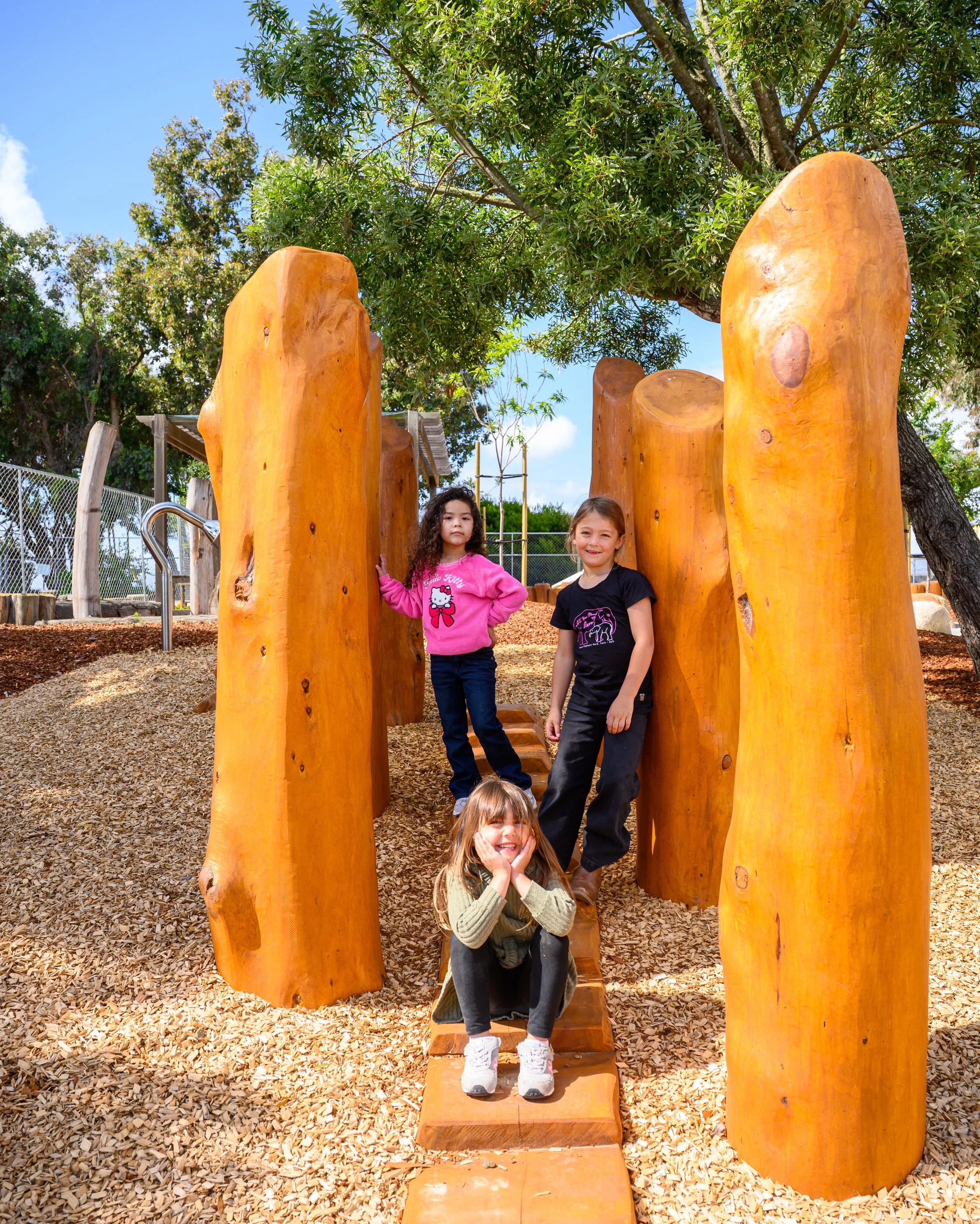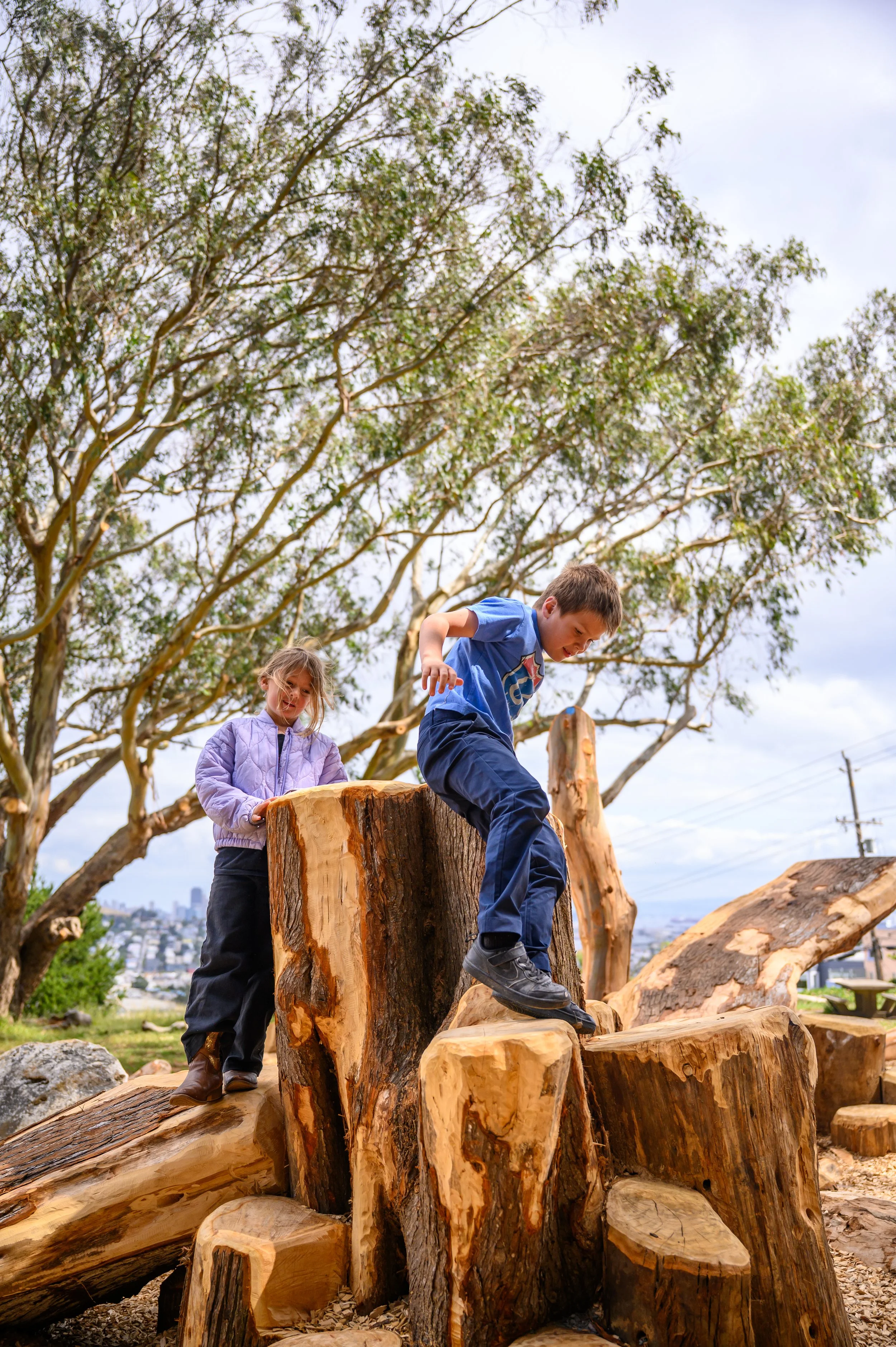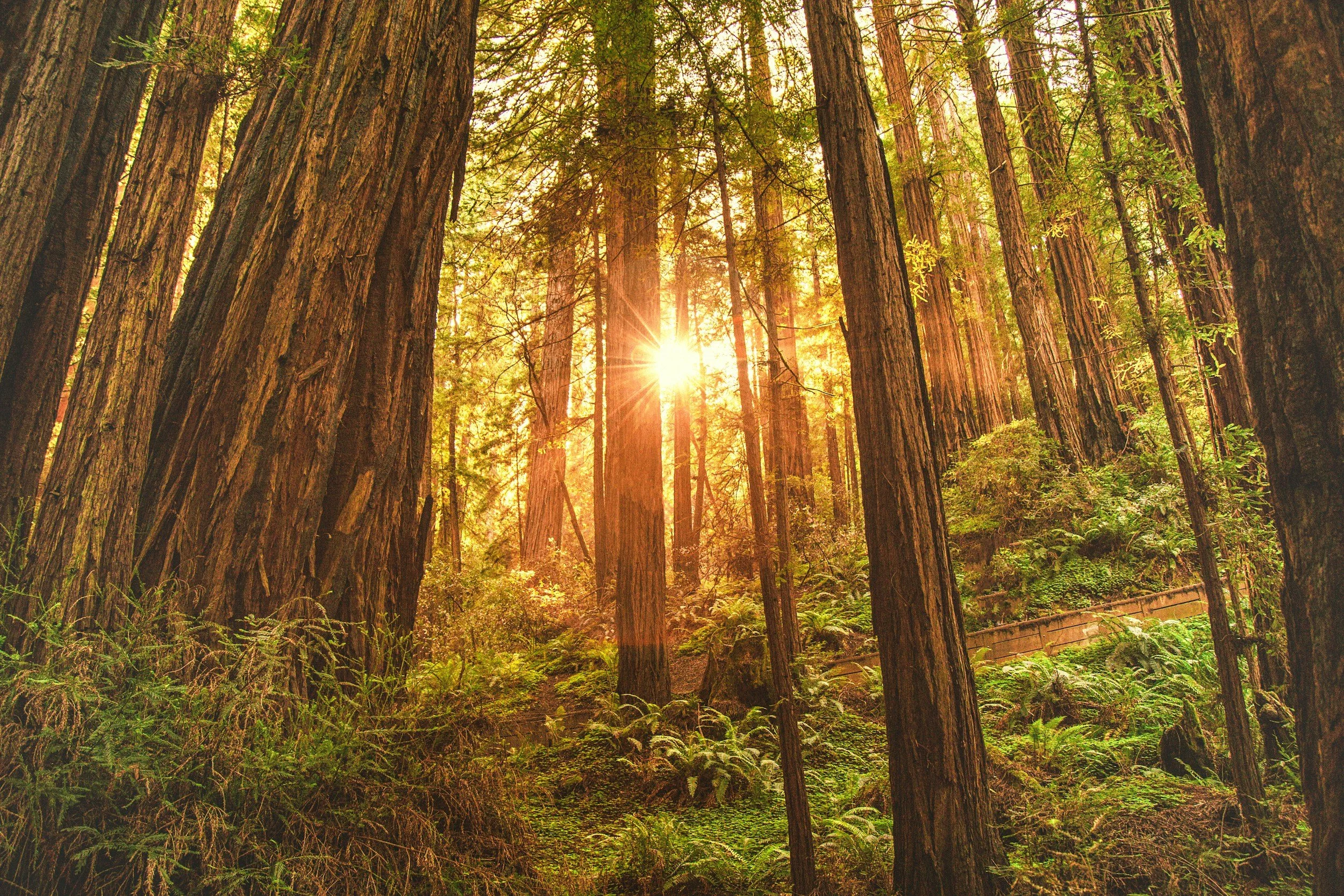
The Research is clear. The need is real.

Nature-based play environments are not a trend. They are a response to decades of research showing that children's physical, cognitive, and emotional development is directly supported by unstructured engagement with natural landscapes.

Benefits and Findings

❋ Motor & Physical Development   

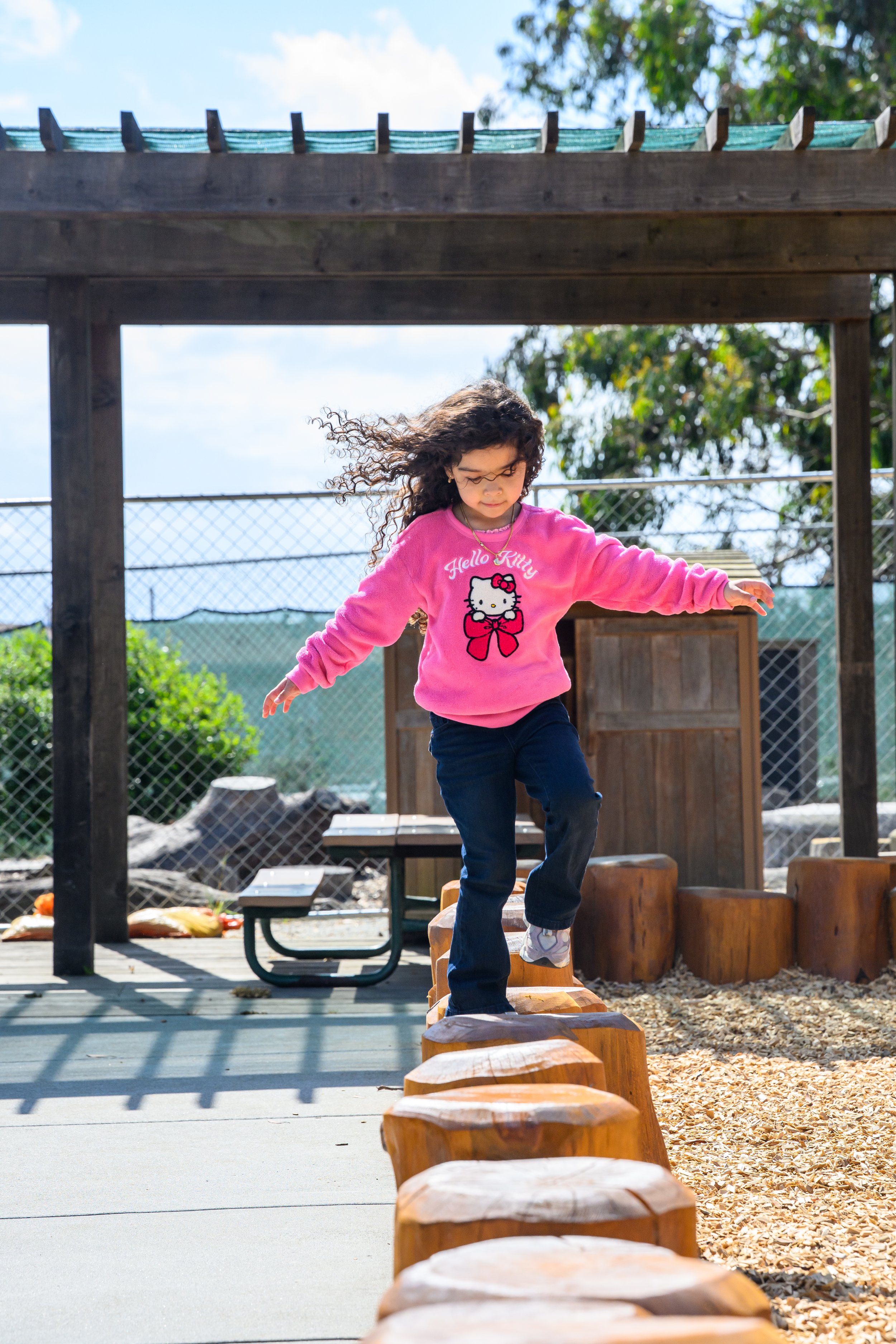
Children playing in natural landscapes show improved motor fitness, balance, and coordination.

(Fjørtoft, 2004)

❋ Attention & Concentration

Exposure to green outdoor settings improves concentration and reduces attention fatigue in children.
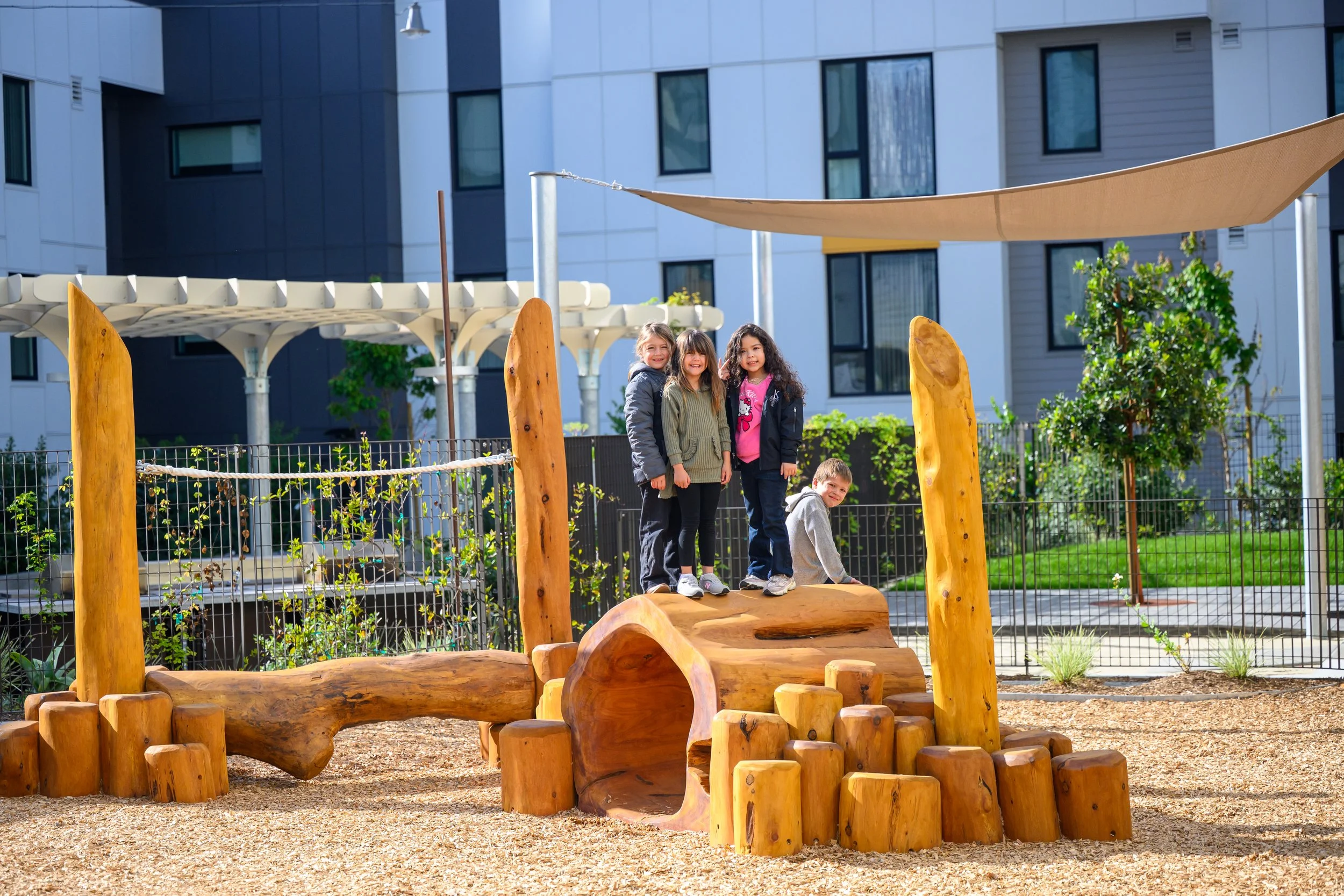
(Kuo & Taylor, 2004 — University of Illinois)

❋ Emotional Regulation

Access to green space is associated with reduced stress, improved emotional regulation, and increased imaginative play.

(Multiple peer-reviewed studies)

❋ Inclusive Benefits

Nature play has documented benefits for children with ADHD, sensory processing differences, and autism spectrum conditions — improving focus, reducing anxiety, and supporting social engagement.

(Taylor & Kuo, 2009; Larson et al., 2011)

❋ Physical Activity

According to the CDC, only 24% of children ages 6–17 meet recommended daily physical activity levels. Nature-based environments increase active play duration and engagement.
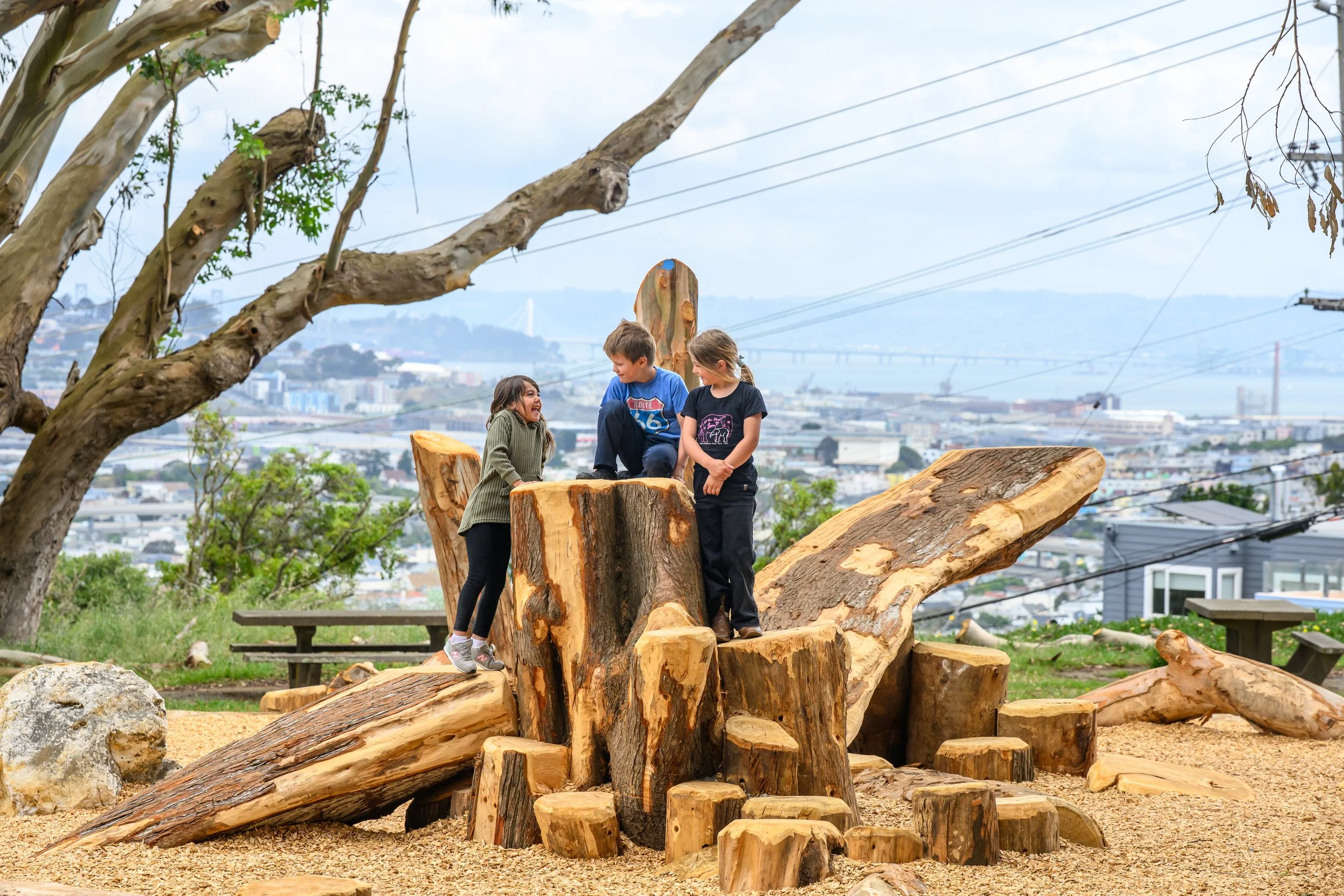
(CDC Physical Activity Guidelines)

Combating Nature Deficit Disorder

Restoring Childhood Wonder Through Natural Play, July 2025

The Problem: Nature Deficit Disorder

Children are spending less time outdoors than ever before. This lack of connection to nature is linked to reduced physical activity, diminished sensory awareness, and higher stress levels.

The Solution: Natural Play Benefits

  • Physical Health: Encourages movement, agility, and motor skill development.

  • Mental Well-being: Reduces stress and boosts emotional resilience.

  • Cognitive Growth: Fosters creativity, problem-solving, and curiosity.

Inspiring Learning Beyond the Classroom

CK Nature Play Can Reimagine Childhood Experiences, October 2025

A Nurturing Environment

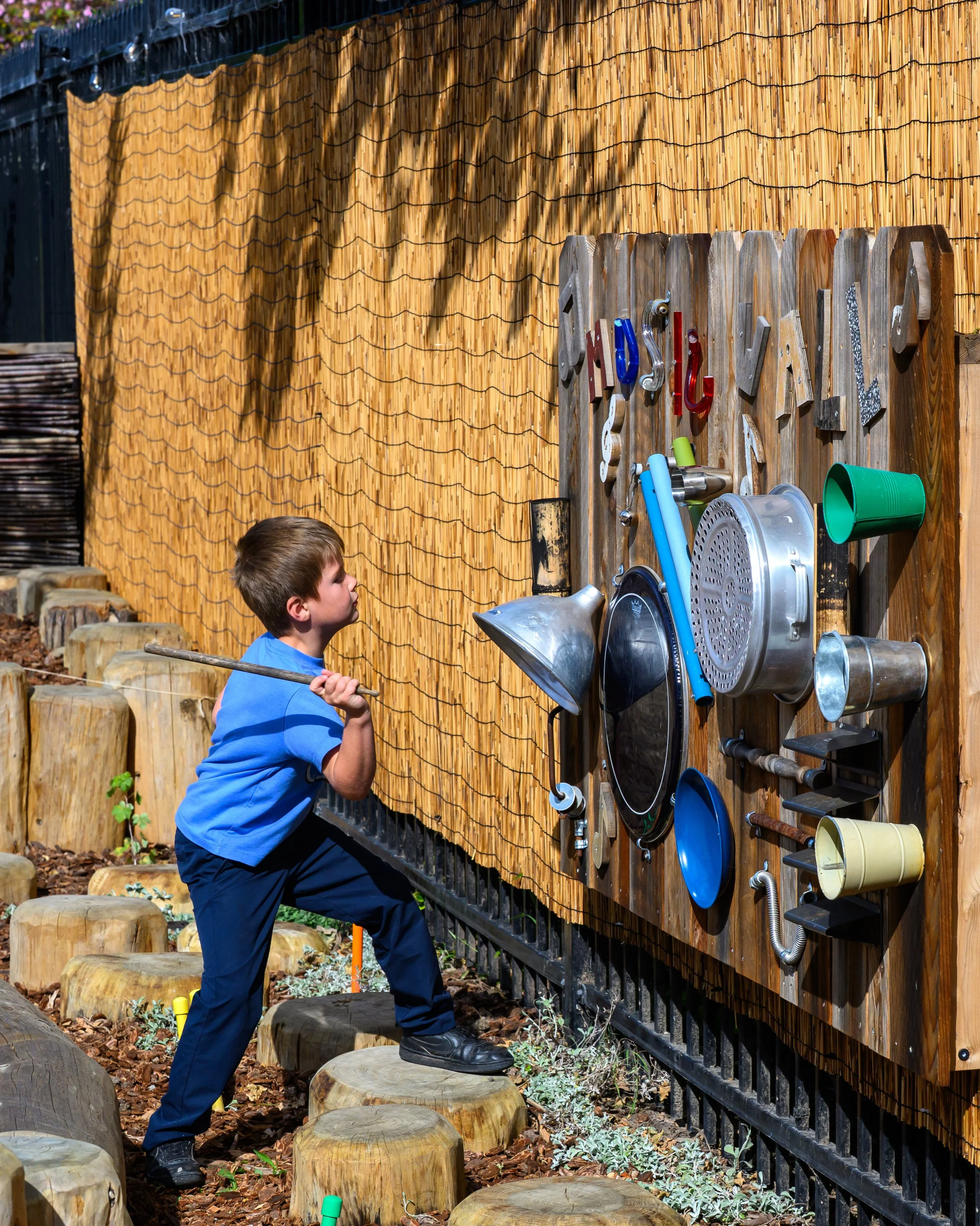
For schools, these spaces become more than a playground—they become an extension of the educational experience. Natural play areas can support science discovery, social development, outdoor lessons, and unstructured play.

Learning Beyond the Classroom

Creating a beautiful and welcoming campus for students, staff, and families results in a space that nurtures well-being, engagement, and a lasting love of learning.

Growth for All Abilities

Strength, Balance, and Confidence in Motion, April 2026

Physical Development

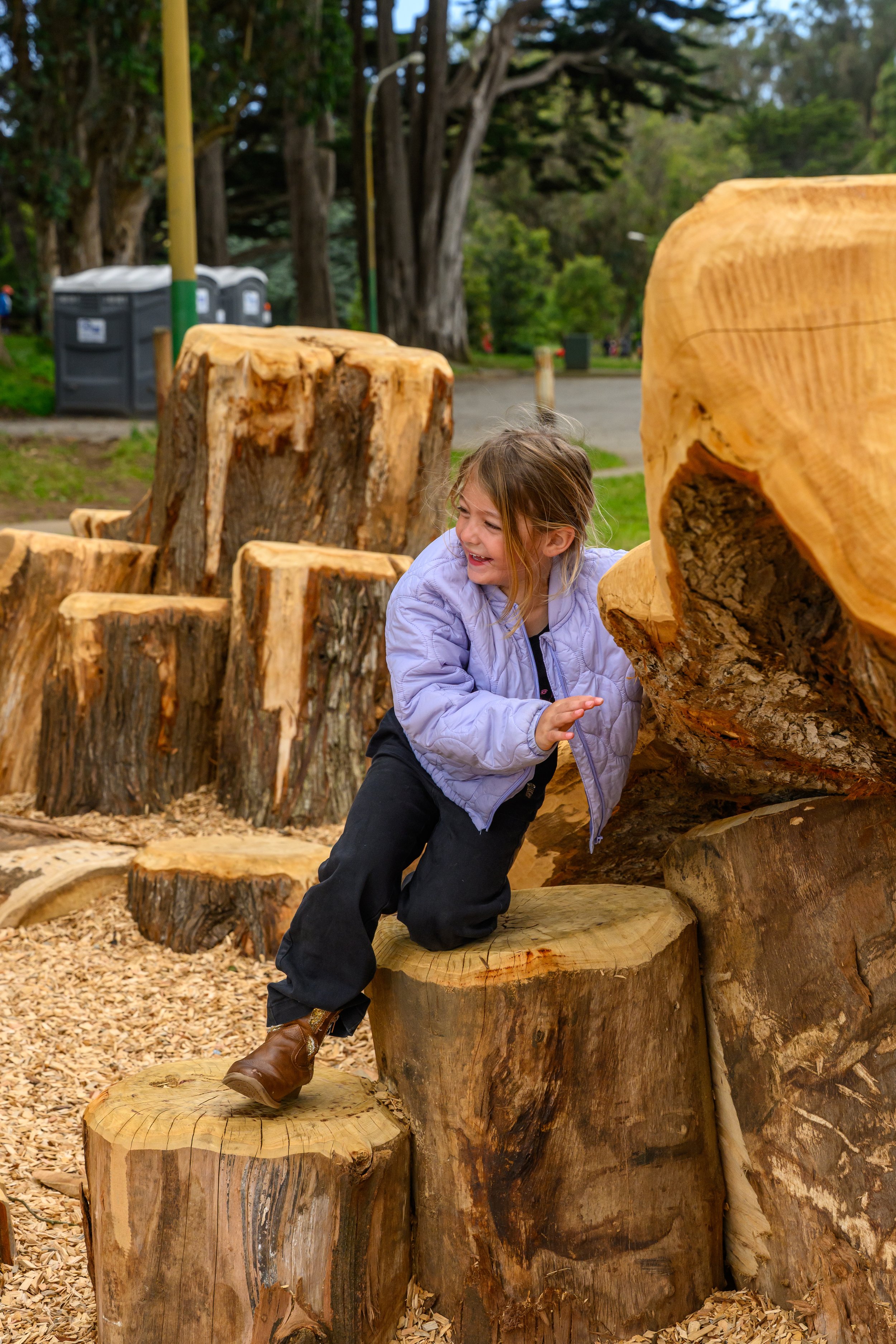
Natural play spaces give children opportunities to build gross motor skills through climbing, balancing, and exploring at their own pace. Thoughtfully designed features support physical development for all ages and abilities.

Confidence in Motion

As children move through these spaces, they strengthen coordination, body awareness, and resilience. The result is an inclusive environment where every child can stay active and experience the joy of movement.

The Next Generation of Environmental Stewards

Children who play in natural environments grow up to care about them. Access to natural landscapes in childhood is one of the strongest predictors of environmental stewardship in adulthood.

Every nature play space we build is an investment not just in the children who use it today — but in the adults who will make decisions about the natural world tomorrow.